









Introducing RAM 2
01Overview
Reconstruct Anything Model 2 is the next version of our foundation models that reconstruct high-fidelity images from any type of raw sensor data. RAM 2 obtains state-of-the-art results across imaging modalities and, unlike task-specific models, transfers to new problems without any retraining on problem-specific supervised datasets.
Performance across imaging modalities
See Gallery below for sample images
| PSNR (dB) (higher is better) | ||||
|---|---|---|---|---|
| Family | Task | RAM 2 | RAM 1(ICLR'26) | Task-specific model |
| Computational photography | Gaussian denoisingCBSD68 (σ=15) | 34.3 | 34.1 | 34.3Restormer |
| Poisson denoisingCBSD68 (gain=0.05) | 30.1 | 29.7 | 29.7Restormer + Ansc. | |
| Joint RAW demosaic, deblur & denoiseRAIM 2025 test | 36.6* | 34.2 | 33.9IIP-IR | |
| Blind motion deblurringKöhler | 28.7* | 21.8 | 28.3Blur2Seq | |
| MRI | Accelerated MRI reconstructionCMRxRecon 2025 test (cardiac black-blood, 8×) | 44.5* | 41.6 | 44.4NVIDIA Raw2Insights |
| Accelerated MRI reconstructionCalgary-Campinas 2.0 test (brain T1w, 10×) | 32.5* | 28.3 | 33.0CC-PromptMR+ | |
| Non-Cartesian accelerated MRIfastMRI breast (DCE, 4×) | 31.3* | 29.8 | 21.2CG | |
| CT | Sparse-view CT reconstruction2DeteCT benchmark test (10×) | 34.1 | 32.6 | 33.4LPD |
| Limited-angle CT reconstruction2DeteCT benchmark test (3×) | 31.2 | 27.0 | 31.1LPD | |
| PET | PET reconstructionNEMA phantom simulation | 37.4 | 21.3 | 30.5OSEM |
| Microscopy | Fluorescence microscopy denoisingFMD test set | 34.9* | 33.6 | 33.0Noise2Noise |
| Subsurface | Seismic interpolationMobil AVO Viking Graben Line 12 | 41.1 | 39.4 | 39.5GSFM |
| Remote sensing | Super-resolution | see Gallery below for sample images | ||
| SAR despeckling | see Gallery below for sample images | |||
| Ultrasound | B-mode ultrasound despeckling | see Gallery below for sample images | ||
For blind problems where the physics is not fully known (e.g. noise level, blur PSF, coil maps), we report results with physics estimators trained in-house. Either use open-source estimators in DeepInverse ↗ or request API access to use our estimators.
Open source
We release model code and pretrained weights for academic and research use under the GNU GPLv3 license, enabling researchers and developers to evaluate, modify, and build upon RAM 2 using their own measurements and physics operators. For commercial use, please get in touch.
Use RAM 2 seamlessly with DeepInverse, the open-source Python library, providing tools to define physics operators and benchmark models across a wide range of imaging modalities and on your own imaging problems.
This open release focusses on 2D. We've also trained production-ready 3D RAM models that reconstructs 3D volumes. Get in touch to access or demo these models.
02Technology
Model Our model builds on the Reconstruct Anything Model (RAM 1) paradigm, which we introduced at ICLR 2026, and incorporates both architectural and training improvements that significantly enhance performance and generalization across a wide range of imaging tasks. RAM 2 is a physics-conditioned reconstruction model with ~359 million trainable parameters.
Fast RAM 2 combines a redesigned image backbone with more efficient physics conditioning, reducing inference time by roughly 50% in challenging problems (e.g. tomography) compared with RAM 1.
Physics-aware The model is conditioned on the acquisition physics and noise characteristics to provide optimal reconstruction performance on any imaging sensor. Many imaging devices have partially known acquisitions: motion blur in an image, coil sensitivity maps in MRI, patient motion etc. RAM 2 can be paired with lightweight adaptors that estimate missing acquisition parameters, such as the noise level or blur, from the measurement directly.
Hallucination-free RAM 2 is trained to enforce physical consistency, ensuring that the reconstructed images are faithful to the input measurements, which is critical for most applications. In terms of the perception-distortion trade-off, which states that a reconstruction model can either produce images that are perceptually pleasing or images that are faithful to the measurements, RAM 2 is designed to prioritize fidelity to the measurements, maximizing the signal-to-noise ratio of the reconstructed images.
Zero-shot or fine-tune? All results and images shown on this site are zero-shot, i.e. using the same RAM 2 weights without any retraining. Note that you can obtain higher performance by fine-tuning the model without ground truth using self-supervised losses available in DeepInverse.
03Gallery
Computational photography
Blind motion deblurring
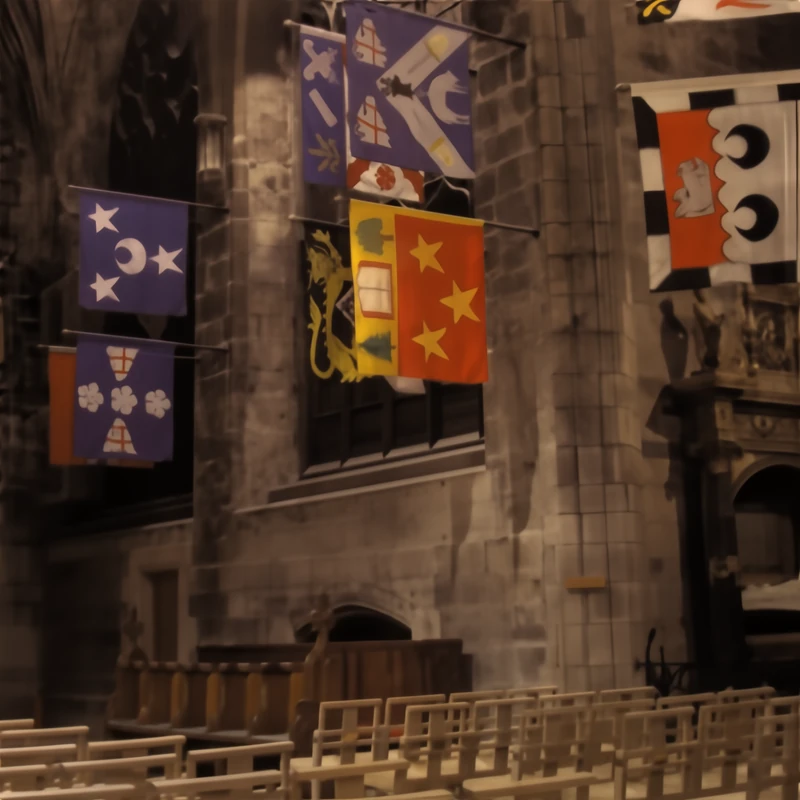
Motion blur degrades many handheld or unfixed optical imaging setups, from consumer photography to machine vision and remote sensing, especially during low-light acquisition. In this example, we estimate the handheld blur PSF and RAM 2 restores images close to ground-truth.
Source: Camera-shake acquired with Canon EOS 5D Mark II from Köhler dataset
Joint demosaicing, deblurring & denoising for neural ISP
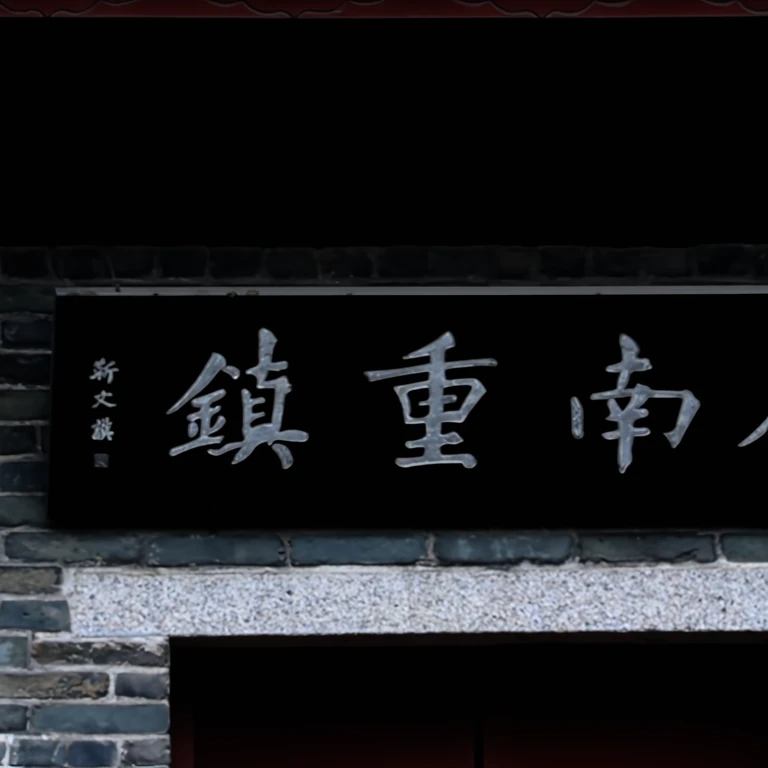
In any optical image sensor, traditional ISP pipelines discard precious RAW information and downgrade the spatial-spectral resolution. RAM 2 reconstructs optical images directly from raw sensor measurements, enabling new forms of high spatial-spectral resolution imaging with cheaper, smaller cameras, without needing any large paired training datasets.

Computed tomography
Sparse-view accelerated CT
CT images are reconstructed from X-ray projections collected around an object. Both medical CT and non-destructive testing are bottlenecked by acquisition time in production environments, but taking fewer projections results in severe streaking and reduced contrast with classical reconstruction algorithms such as filtered back-projection. In this example, RAM 2 reconstructs slices of various materials from 10× accelerated acquisition.
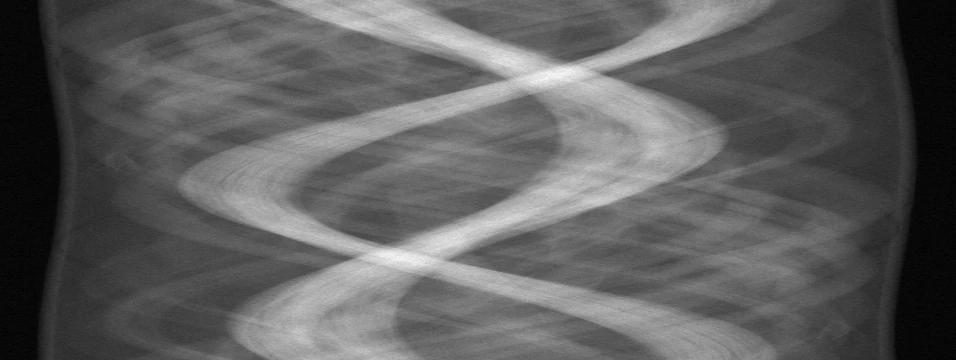
Limited-angle CT
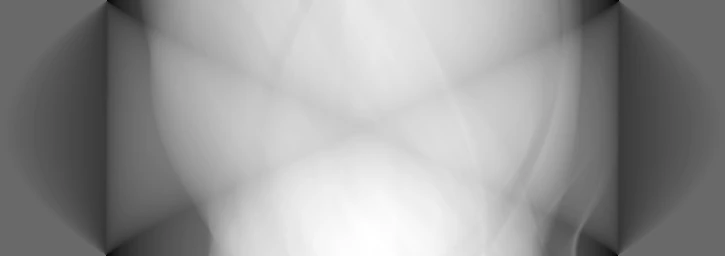
In many CT setups, operators can only acquire a wedge of angles, such as in tomosynthesis or non-destructive testing, resulting in a severely incomplete inverse problem. RAM 2 solves CT image reconstruction from any geometry of incomplete or noisy radiographs, enabling faster inspection of critical details in images.
Magnetic resonance imaging
Accelerated cardiac multi-coil MRI
Deep learning reconstruction for MRI has resulted in a promise of accelerated acquisition, but real acquisition often results in data falling outside the training dataset. RAM 2 is trained across a large in-house dataset of MRI degradations and sampling patterns. Here, all previous state-of-the-art are specialized and trained specifically per-task. In contrast, RAM 2 demonstrates generalizable zero-shot performance on any anatomy, sampling mask and acceleration.
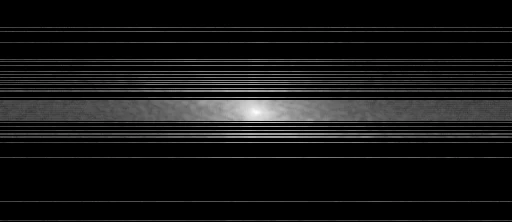
Accelerated brain multi-coil MRI
Similarly, previous models for brain MRI are trained on one combination of anatomy, contrast and sampling pattern. RAM 2 operates in a new paradigm of MRI: one product to reconstruct anything, in any centre, grounded in any acquisition physics.
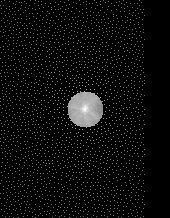
Non-Cartesian accelerated breast MRI
Non-Cartesian MRI acquisition offers faster acquisition and motion robustness but conventional deep learning reconstruction fail on non-uniform sampling trajectories. RAM 2 reconstructs from accelerated radial and spiral data acquired with fewer shots without needing to retrain.
Remote sensing
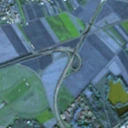
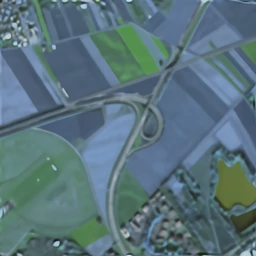
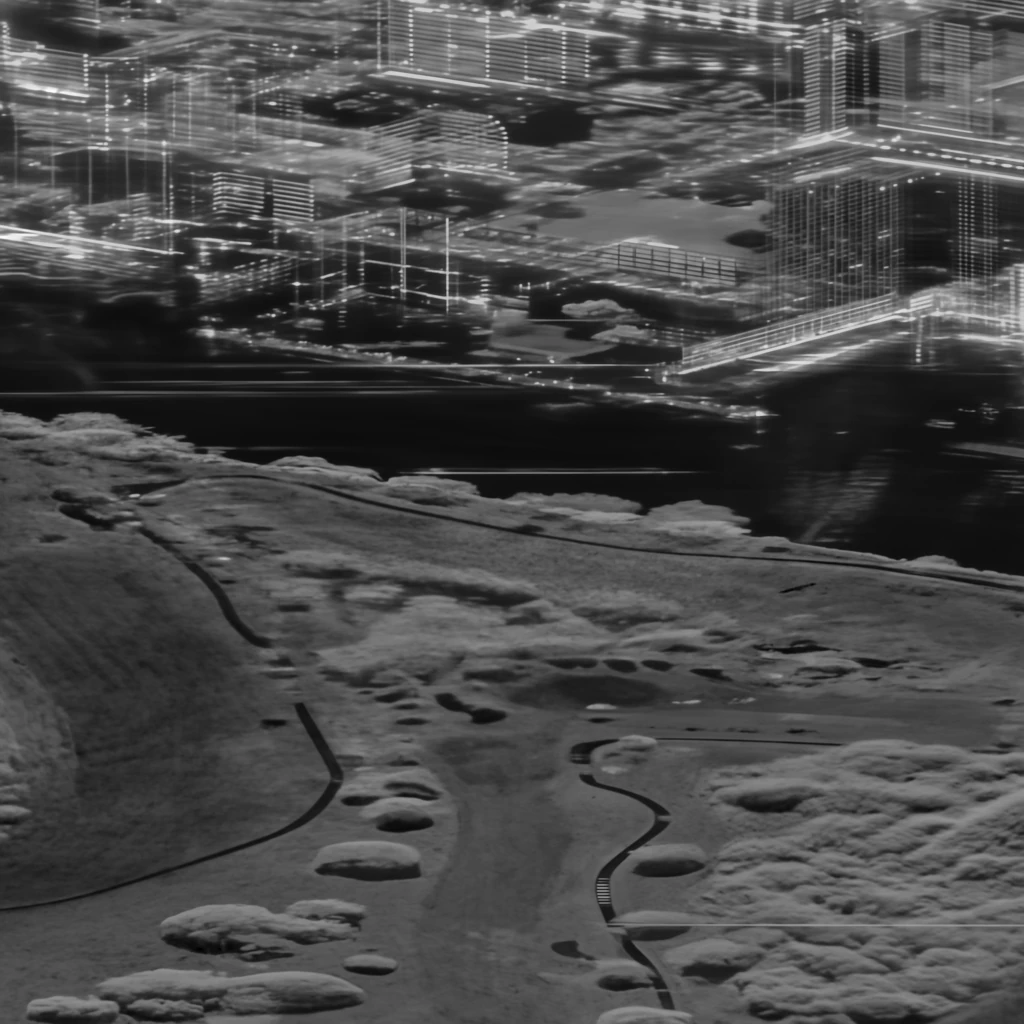
Remote sensing single-image super-resolution
When an Earth observation satellite is already in orbit or is hardware-constrained, operators can still increase the ground-sampling distance resolution via software processing instead. Typical deep learning single-image super-resolution methods hallucinate sharp details. Instead, RAM 2 is trained to enforce physical consistency with the acquired data.
Source: 10m GSD Sentinel-2 L2a product patch provided by SEN2VENµS
SAR imaging
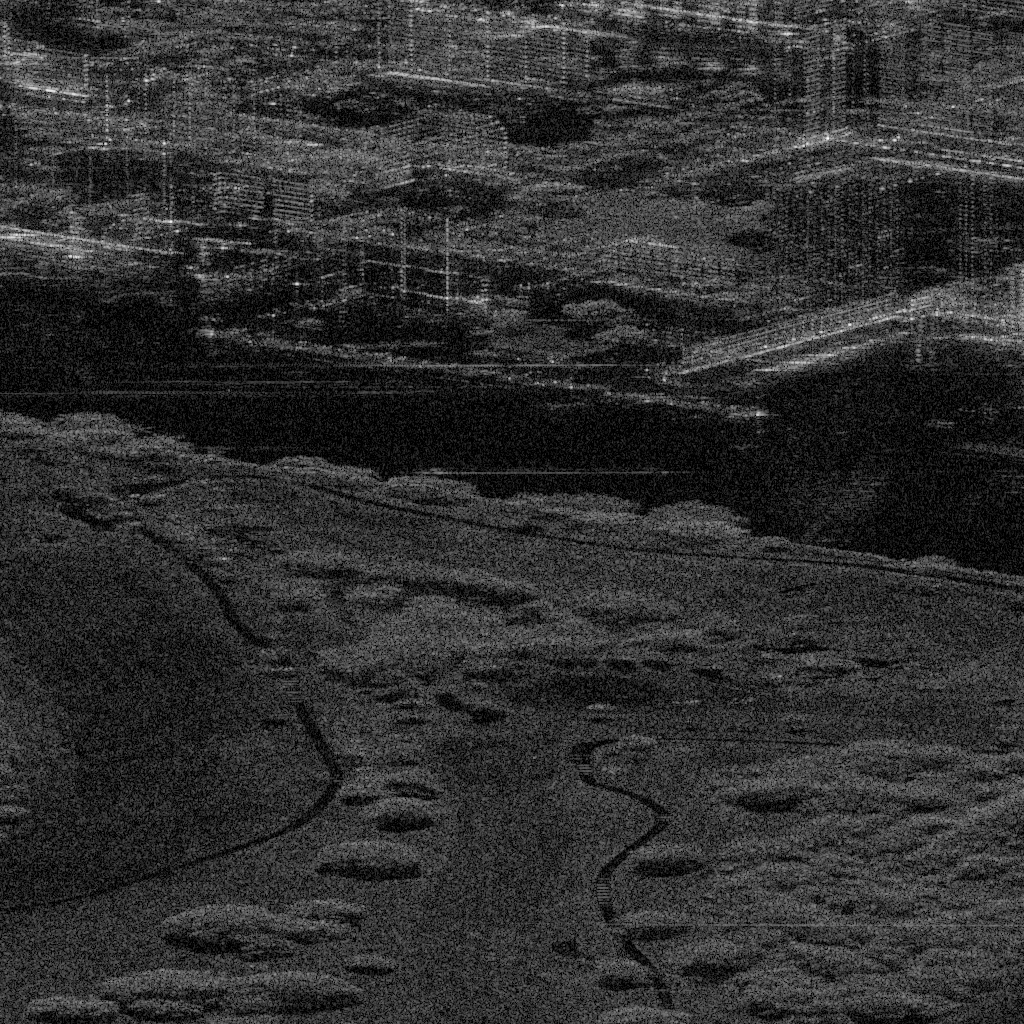
SAR despeckling
Synthetic-aperture radar (SAR) can image the Earth through cloud cover and at night but typically produces speckle that obscures low-contrast structures. RAM 2 operates suppresses speckle while retaining bright scatterers, edges and fine spatial structure.
Source: Single-look HH spotlight product data sample from TerraSAR-X mission (DLR & Airbus D&S)
Microscopy
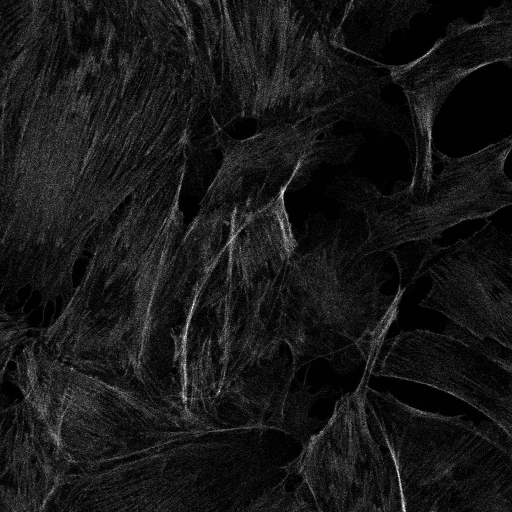
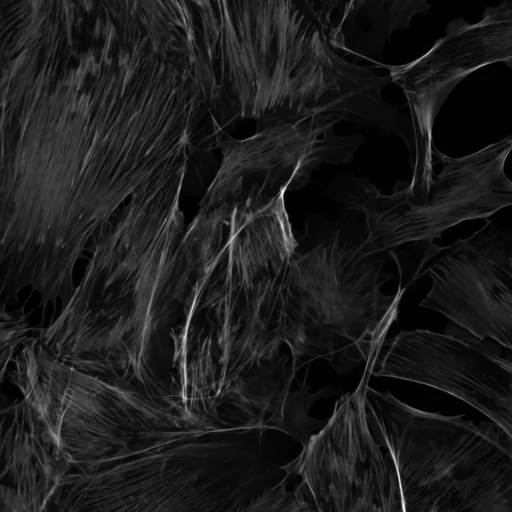
Fluorescence microscopy
Fluorescence microscopy is limited by the trade-off between resolution, speed, field of view, phototoxicity, and photon budget. Low-light acquisition reduces bleaching but produces noisy measurements obscuring biological structure. RAM 2 restores degraded images and keeps quantitative fidelity so that microscopists can spend time analysing images instead of correcting for poor image quality.
Source: BPAE cell F-actin acquired on Nikon A1R-MP confocal microscope from FMD dataset
Seismic imaging
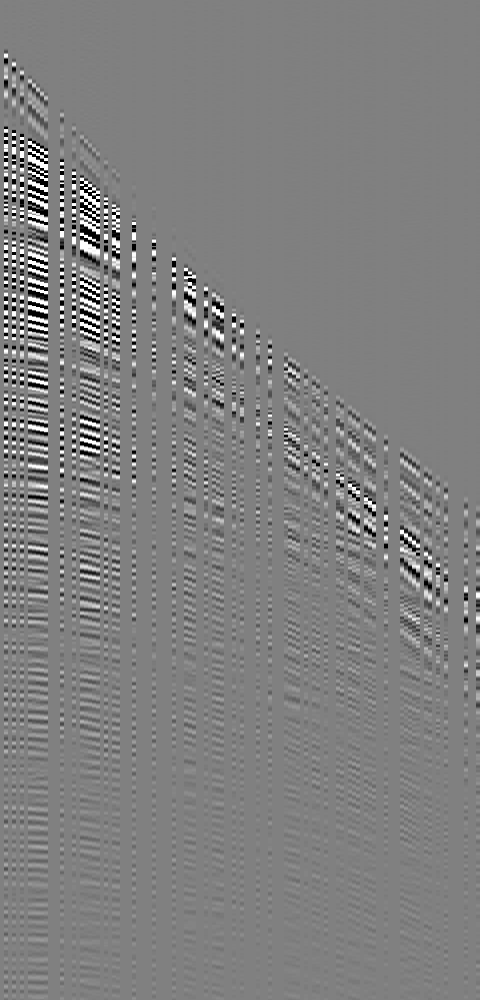
Seismic interpolation
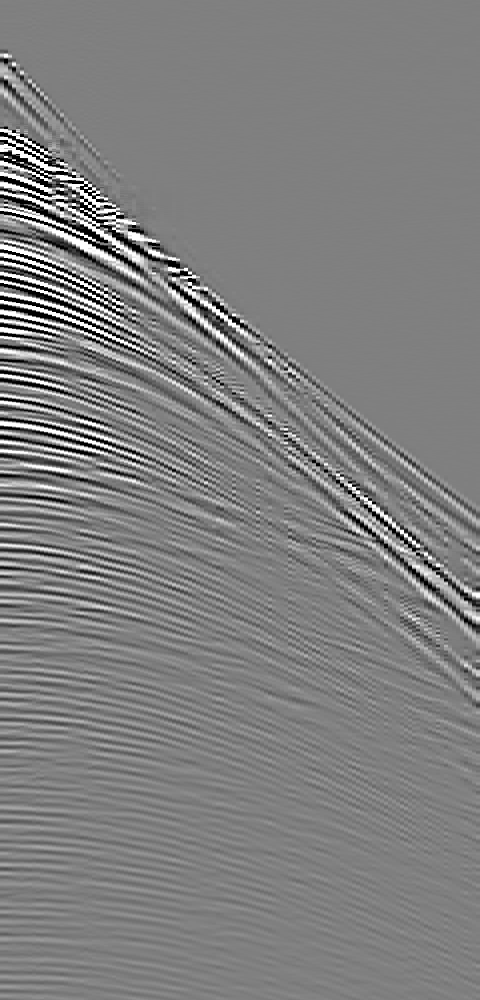
Seismic surveys leave gaps such as irregularly spaced traces or some offsets that are never recorded, common in land, towed-streamer or sparse acquisition. Later steps like migration assume complete sampling so these gaps cause imaging errors. In this example, RAM 2 reconstructs the missing traces from the recorded data to restore a regular gather.
Emission tomography
PET reconstruction
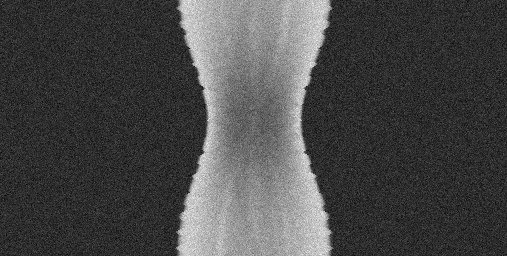
In nuclear medicine, expensive hardware or long acquisition times are traditionally needed to collect enough photons and reconstruct images. Even so, lesion quantification and image quality still suffer due to hand-tuned classical reconstruction algorithms, poor ToF modelling or challenging detector geometries. RAM 2 reconstructs images of unprecedented quality while preserving quantitative consistency, enabling next-order throughput cancer imaging at a fraction of the cost.
Ultrasound imaging
Ultrasound B-mode despeckling
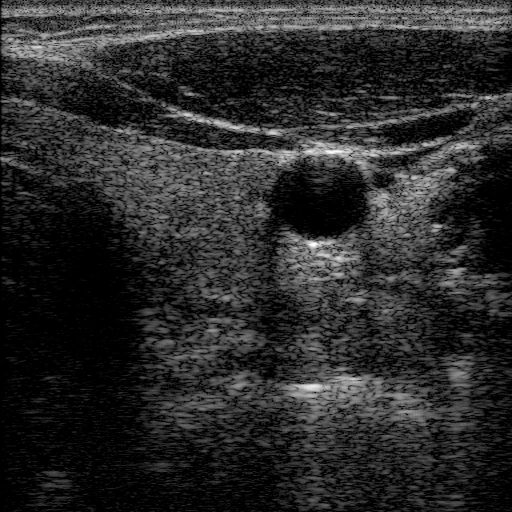
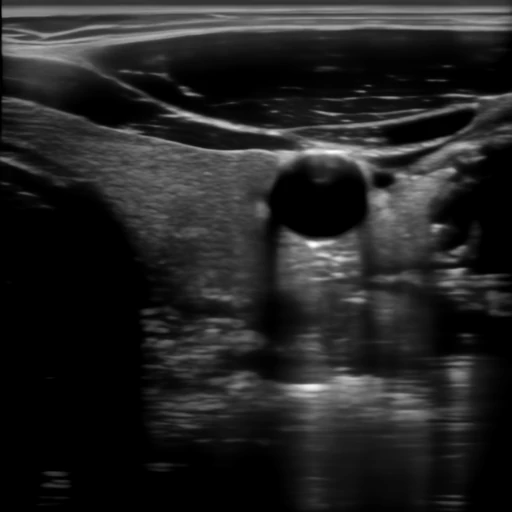
Ultrasound speckle degrades almost all clinical B-mode acquisitions and most engineering teams resort to classical filtering to suppress it, often oversmoothing anatomical structures. RAM 2 performs log-speckle denoising in the B-mode domain and the denoising level is easily controllable via the noise-level parameter.
Source: In-vivo carotid envelope B-mode acquired on Clarius L7 portable scanner from Speckle2Self
04Get started with RAM 2
Download our model on GitHub ↗ or HuggingFace ↗ and try RAM 2 on your own data.
import torch
import deepinv as dinv
from blurlabs.models import RAM2

model = RAM2()

# load data and physics: see https://github.com/BlurLabsAI/blurlabs for examples
y = ... # load measurement
physics = ... # load any deepinv-compatible physics operator

# inference with RAM 2
with torch.no_grad():
    x_net = model(y, physics)
For blind problems where the physics is not fully known, estimate the parameters such as PSFs, noise levels or coil maps yourself, or with open-source estimators in DeepInverse ↗. The benchmarks and images shown on this site use physics estimators trained in-house.
3D data We're releasing RAM 2 as an open 2D model. We've trained a 3D version of RAM 2 in-house that reconstructs 3D volumes, surpassing 2D and 3D SotA performance on all 3D medical and industrial problems. Get in touch for a 3D demo!
API access To quickstart RAM 2 without hosting locally, or with our in-house physics estimators, request API access.
For enterprise deployments tailored to your use-case and hardware, any imaging problems not listed here, or help running RAM 2 on your own data, please get in touch - we would love to chat!